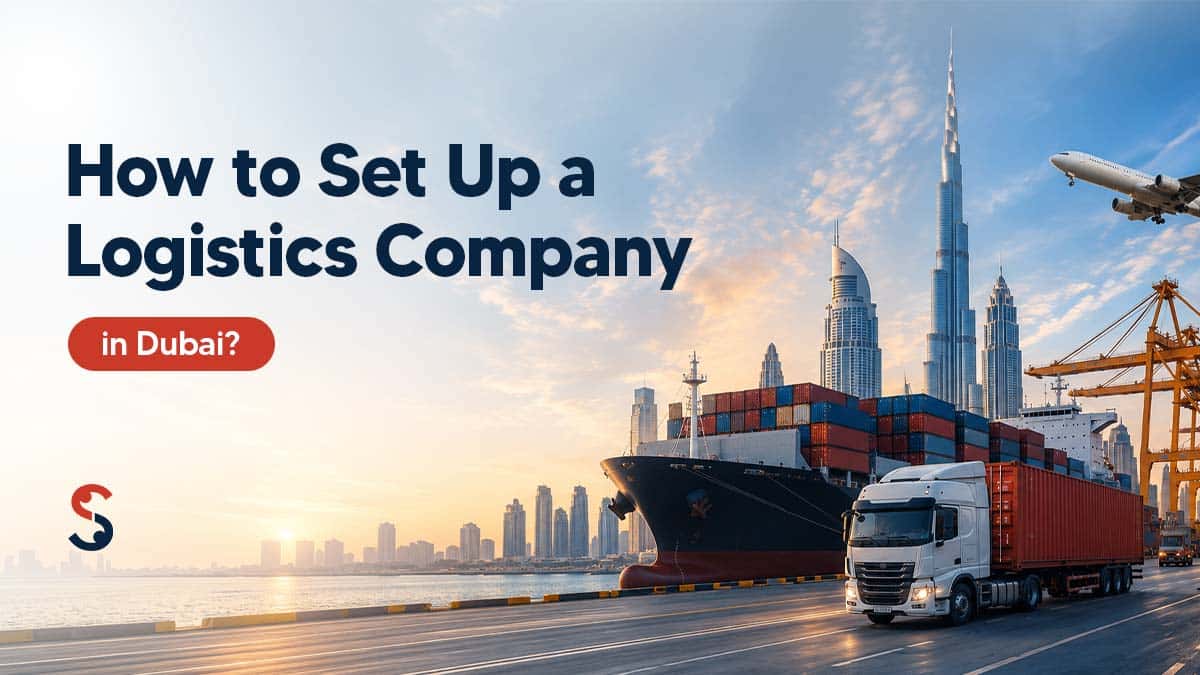

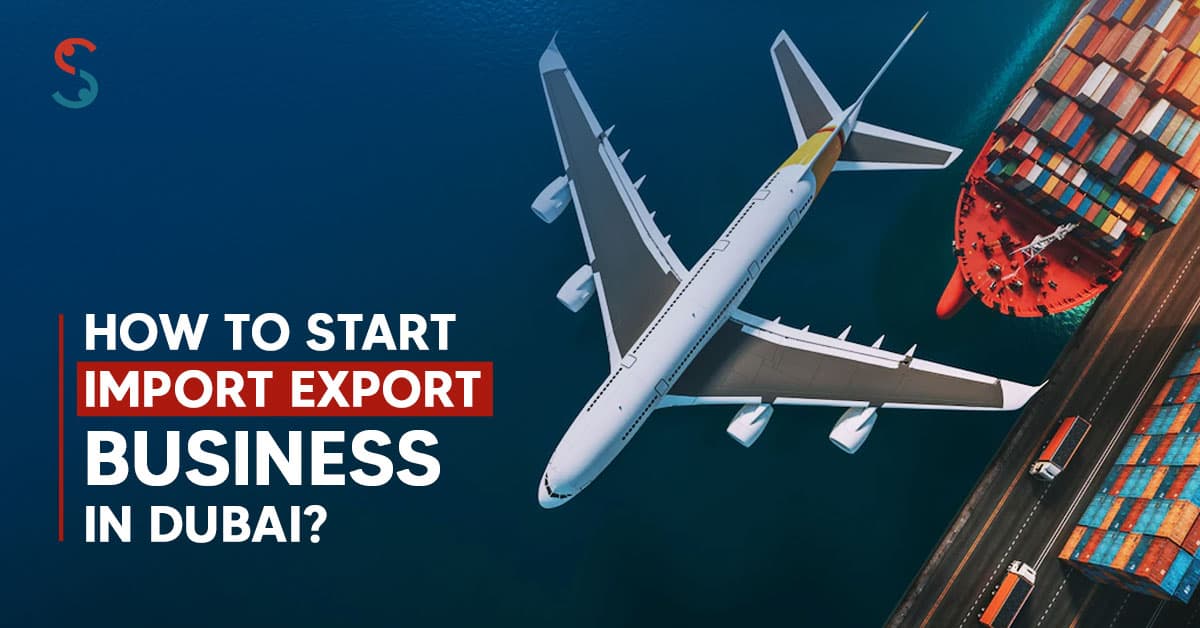
Dubai has long stood as a global crossroads for international trade, seamlessly connecting businesses to key markets across Asia, Europe, Africa, and beyond. Backed by world-class ports like Jebel Ali, advanced logistics networks, strategic free zones, and business-friendly regulations. Starting an import-export business in Dubai is a smart move for entrepreneurs aiming to trade globally. This strength is reflected in recent figures, with the UAE recording an impressive AED 3 trillion in non-oil foreign trade in 2024, marking a 14.6% year-on-year increase and reinforcing its position as a global trading powerhouse.
The momentum continues, as non-oil foreign trade reached around AED 1.7 trillion in the first half of 2025 alone, highlighting strong worldwide demand and sustained growth. With simplified licensing, favourable customs systems, and proper guidance. Entrepreneurs looking to start an import-export company in the UAE can confidently leverage Dubai’s strategic advantage to build a profitable, scalable global venture.
What is an import-export business in the UAE?
An import-export business in the UAE involves legally trading goods by importing products into the country and exporting them to international markets. Due to its location, top ports, and pro-business regulations, the UAE has become one of the world’s most preferred hubs for global trade.
When you start an import export company in the UAE, you gain access to major markets across Asia, Europe, and Africa through advanced logistics networks, free zones, and efficient customs procedures. An import-export business in Dubai benefits from global gateways such as Jebel Ali Port and Dubai International Airport, as well as a strong re-export ecosystem that enables seamless trade with multiple countries.
A Dubai trading business setup typically requires a trading license, company registration (either on the mainland or in a free zone), customs registration, and compliance with UAE trade regulations. Once established, businesses can import raw materials, finished goods, machinery, food products, electronics, textiles, and more, either for local distribution or re-export to global markets.
Why Start an Import-Export Business in Dubai, UAE?
Starting an import-export business in Dubai offers unmatched advantages for entrepreneurs looking to trade globally. Known as a gateway between East and West, Dubai provides the ideal ecosystem for efficiently building, growing, and scaling international trading operations.
Here’s why many entrepreneurs choose to start an import export company in the UAE:
1. Prime Global Location
Dubai connects Asia, Europe, and Africa through some of the world’s busiest air and seaports, making cross-border trade faster and more cost-effective.
2. Advanced Infrastructure
With advanced ports like Jebel Ali, modern airports, and seamless logistics networks, Import Export Business Dubai operations benefit from smooth supply chain movement.
3. Business-Friendly Regulations
The UAE offers simplified licensing, transparent regulations, and flexible company structures, making Dubai a straightforward destination for both new and experienced traders.
4. Tax Advantages
Zero personal income tax, competitive corporate tax, and customs duty benefits in free zones significantly improve profit margins for import-export businesses.
5. Free Zones & Mainland Options
Dubai offers over 42 free zones with 100% foreign ownership and customs incentives, alongside mainland licenses that allow unrestricted local trading.
6. Strong Trade Growth
Dubai consistently records trillions of dirhams in non-oil foreign trade, reinforcing its position as a stable and high-growth global trading hub.
7. Access to Global Markets
From commodities and electronics to textiles and food products, Dubai enables easy access to international suppliers and buyers under one roof.
If you’re planning to start an import-export company in the UAE, Dubai delivers the right mix of location, infrastructure, tax efficiency, and global reach. It is making it one of the smartest destinations for building a successful import-export venture.
Import-Export Business in Dubai: Mainland vs Free Zone vs Offshore
If you’re planning to start an import export company in the UAE, choosing the proper jurisdiction is one of the most important decisions you’ll make. Whether you opt for the mainland, a free zone, or an offshore structure will directly impact how and where you can trade, your costs, and your long-term scalability.
1. Mainland Company
A mainland setup is ideal for businesses that want unrestricted access to the UAE market. With a mainland trading license, you can import, export, and distribute goods anywhere in Dubai and across the UAE without limitations.
Why choose the mainland?
- Freedom to trade across the UAE and internationally
- Broad scope of trading activities under one license
- 100% foreign ownership permitted for most activities
Things to consider:
- Certain activities may require a local service agent
- Setup and compliance costs can be higher
- Regulatory procedures are more detailed compared to free zones
This option suits entrepreneurs targeting the local UAE market and planning a long-term Dubai Trading Business Setup.
2. Free Zone Company
Free zones are a popular choice for global traders due to ease of setup and attractive ownership benefits. They are especially suitable for businesses focused on imports, exports, and re-exports.
Why choose a free zone?
- Full foreign ownership and profit repatriation
- Faster registration and simpler compliance
- Access to logistics hubs, warehouses, and ports
- Tax benefits depend on the free zone authority
Things to consider:
- Direct trading in the UAE mainland may require a local distributor
- Business activities may be limited based on the free zone
- Ongoing license renewal and facility costs
Free zones work best for entrepreneurs focused on international trade while keeping UAE operations structured and cost-efficient.
3. Offshore Company
An offshore company is designed purely for international business and asset holding. While it offers privacy and cost efficiency, it has limited applicability to active trading in the UAE.
Why choose offshore?
- Minimal setup and maintenance costs
- No physical office requirement in Dubai
- Ideal for global trading and holding companies
Things to consider:
- Not allowed to trade within the UAE
- Cannot directly import or export goods through UAE ports for local distribution
Because of these restrictions, offshore structures are generally not recommended for an active Import Export Business in Dubai.
Which Option Is Right for You?
If your goal is to trade within the UAE, a mainland company is the strongest choice. For international trade and re-exports, free zones offer flexibility and efficiency. Offshore setups are best reserved for overseas trading and investment, not for local operations.
Choosing the proper structure from the start ensures your Dubai trading business setup is compliant, scalable, and aligned with your business goals.
Documents Required for Import Export Business Setup
Starting an Import Export Business in Dubai requires submitting a set of essential documents to obtain your trade license and complete company registration.
While the exact list may vary based on whether you choose a Mainland or Free Zone setup, the following documents are generally required to start an import export company in the UAE:
- Passport Copies
- Copy of UAE residence visa
- Emirates ID copy
- Passport-Size Photographs
- Trade Name Reservation Certificate
- Initial Approval Certificate
- Business Activity Details
- Memorandum of Association (MOA) / Articles of Association (AOA)
- Office Address / Tenancy Contract
- Customs Registration Documents
- Power of Attorney (if applicable)
- No Objection Certificate (NOC)
How to Start an Import Export Business in Dubai from UK?
Starting an Import Export Business in Dubai from the UK is a smart move if you’re looking to trade globally from a tax-efficient, well-connected hub. Dubai serves as a bridge between Europe, Asia, and Africa. It makes it an ideal destination for UK entrepreneurs seeking faster market access, simplified regulations, and long-term scalability.
Step 1: Understand Why Dubai Works for UK Import-Export Businesses
Dubai is built for trade. With top class ports like Jebel Ali, advanced logistics infrastructure, and business-friendly policies, the city makes cross-border trading easier than anywhere else.
For UK entrepreneurs, the advantages include:
- 100% foreign ownership in most business structures
- No personal income tax
- Strategic access to over 200 global markets
- Strong UK–UAE trade relations
- Smooth customs and clearance systems
This is why many UK-based traders choose Dubai Trading Business Setup instead of operating directly from Europe.
Step 2: Decide Your Business Activities Clearly
Before you apply for any license, define what you will trade. Dubai requires you to specify your products in advance.
Examples include:
- General trading (multiple product categories)
- Food & beverages
- Electronics and machinery
- Textiles and garments
- Cosmetics or medical supplies
Your activity selection determines the type of Dubai Import Export License you’ll need and whether additional approvals are required.
Step 3: Choose the Right Jurisdiction: Mainland or Free Zone
Choosing where to register your company is a key decision when you start an Import Export company in the UAE.
Mainland Company
- Trade freely within the UAE and internationally
- Work directly with UAE clients and government entities
- Suitable if you plan to sell locally in Dubai
Free Zone Company
- Ideal for international import-export operations
- Faster setup and lower startup costs
- Full return of profits
- Customs duty benefits in certain zones
Step 4: Apply for a Dubai Import Export License
Once your activity and jurisdiction are finalised, you can apply for your Dubai Import Export License.
The process usually includes:
- Trade name reservation
- Initial approval from authorities
- Submission of shareholder and passport details
- Lease agreement (physical or flexi-desk)
- License issuance
Step 5: Register with Dubai Customs
To legally import or export goods, customs registration is mandatory.
You will receive:
- Importer Exporter Code (IEC equivalent in UAE)
- Access to Dubai customs portals
- Clearance rights at ports and airports
Step 6: Open a UAE Corporate Bank Account
Opening a corporate bank account is a critical part of the Dubai Trading Business Setup.
Banks typically require:
- Company license and incorporation documents
- Shareholder passports and UK address proof
- Business profile and trade model
- Expected transaction volumes
UK nationals often find UAE banks receptive, especially when accompanied by proper documentation and professional guidance.
Step 7: Arrange Logistics and Shipping Channels
Dubai offers unmatched logistics flexibility. Depending on your business model, you can:
- Use sea freight via Jebel Ali Port
- Air freight through Dubai International Airport
- Partner with third-party logistics (3PL) providers
- Set up bonded warehouses
Step 8: Understand Tax and Compliance Requirements
While Dubai is tax-friendly, compliance still matters.
Key points to know:
- Corporate Tax may apply depending on profit thresholds
- VAT registration is required if turnover crosses the limit
- Proper invoicing and bookkeeping are mandatory
- Customs duties vary by product category
Step 9: Hire Local Support or Appoint a Business Consultant
Setting up from the UK is easier with expert assistance. A professional consultant can:
- Handle licensing and approvals
- Coordinate customs registration
- Assist with bank account opening
- Ensure legal and tax compliance
This support saves time and reduces costly mistakes when you start an Import Export Company in the UAE.
Starting an import-export business in Dubai from the UK is not just about setting up a company; it’s about positioning your business at the heart of global trade. With the right Dubai Import Export License, a clear trading strategy, and expert support, UK entrepreneurs can build a profitable and future-ready trading business in the UAE.
Cost of Starting an Import-Export Business in Dubai
Typically, the Import Export License Cost in Dubai starts from €5,710 (approximately AED 24,000) depending on your business requirements, including the products you plan to trade, the number of business activities, your chosen jurisdiction (mainland or free zone), visa requirements, office or warehouse space, and customs registration. As every import-export business operates differently, the final investment is determined by your specific setup and operational needs. Working with Shuraa UK gives you a clear and transparent cost breakdown before you begin. Our experienced consultants assess your business objectives, recommend the most suitable licence and jurisdiction, and help you optimise your setup costs without compromising compliance. From company registration and customs documentation to banking and visa assistance, we provide end-to-end support to ensure your import-export business is launched smoothly and efficiently in Dubai.
Build Your Global Trade Success with Shuraa!
Starting an Import Export Business in Dubai is more than a business decision; it’s a powerful move into one of the world’s most growing trading ecosystems. With unmatched global connectivity, advanced infrastructure, flexible jurisdictions, and a transparent regulatory framework. Dubai offers everything entrepreneurs need to trade confidently and scale internationally. Whether your focus is regional distribution, global re-exports, or multi-market expansion, Dubai provides the credibility and momentum to grow faster.
From selecting the proper structure to securing your Dubai Import Export License, understanding compliance, and managing the Import Export License Cost in Dubai, every step plays a crucial role in long-term success. With the proper planning and expert support, you can start an import-export company in the UAE smoothly and turn your vision into a profitable reality through a compliant and future-ready Dubai Trading Business Setup.
At Shuraa UK, we simplify the entire journey, from initial consultation to licensing, banking, customs registration, and beyond. Our specialists ensure your import-export business is set up efficiently and cost-effectively, aligned with your trading goals. Email us at info.london@shuraa.com or call us on +44 7538 205604